
You’ve viewed 12 of 24 products
Hackamores
Hackamores
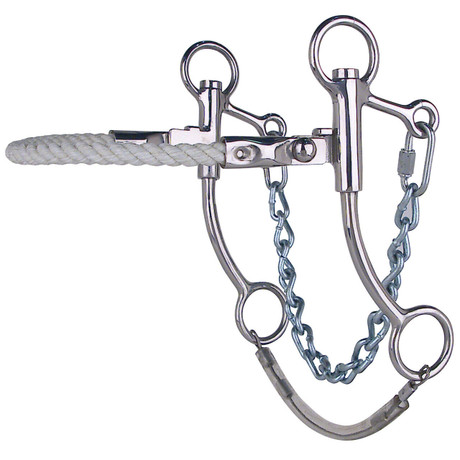
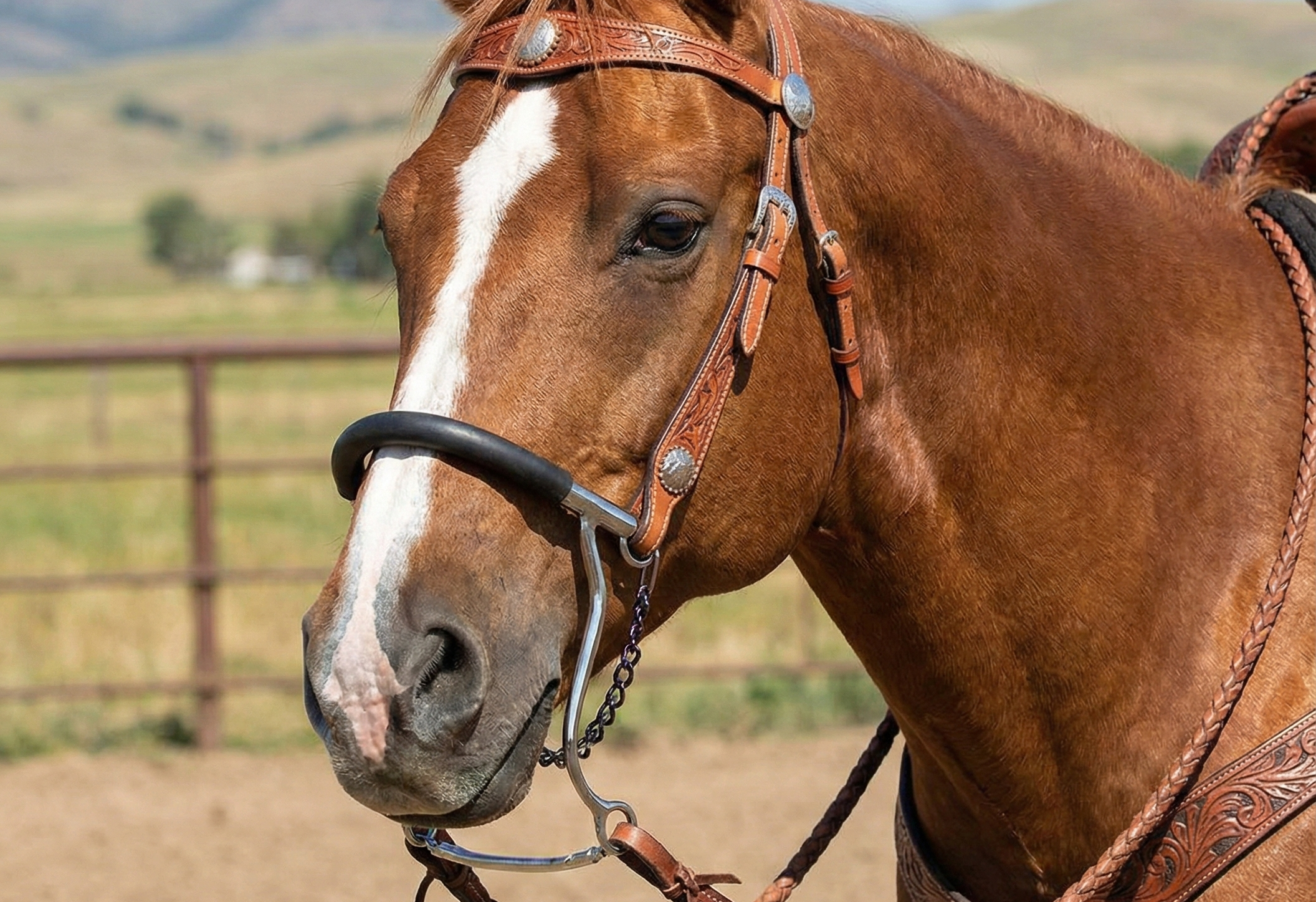
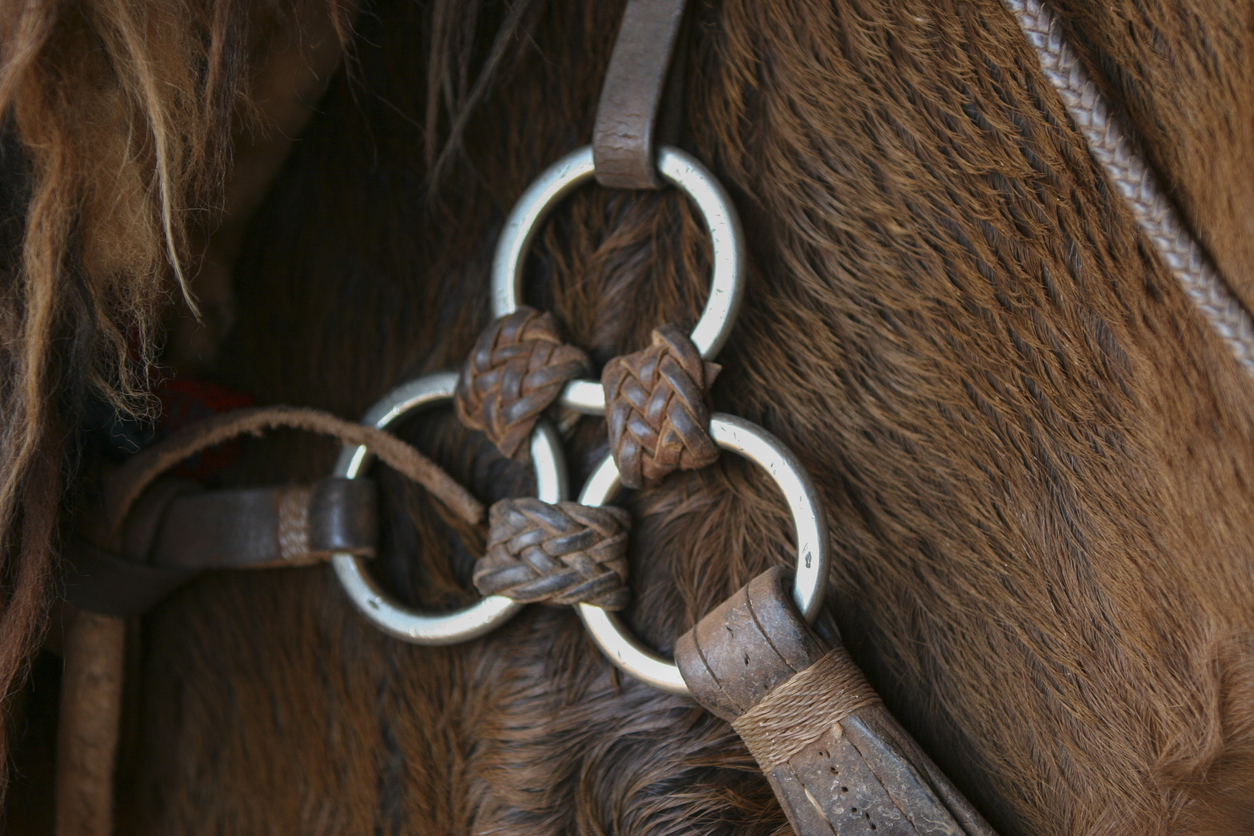
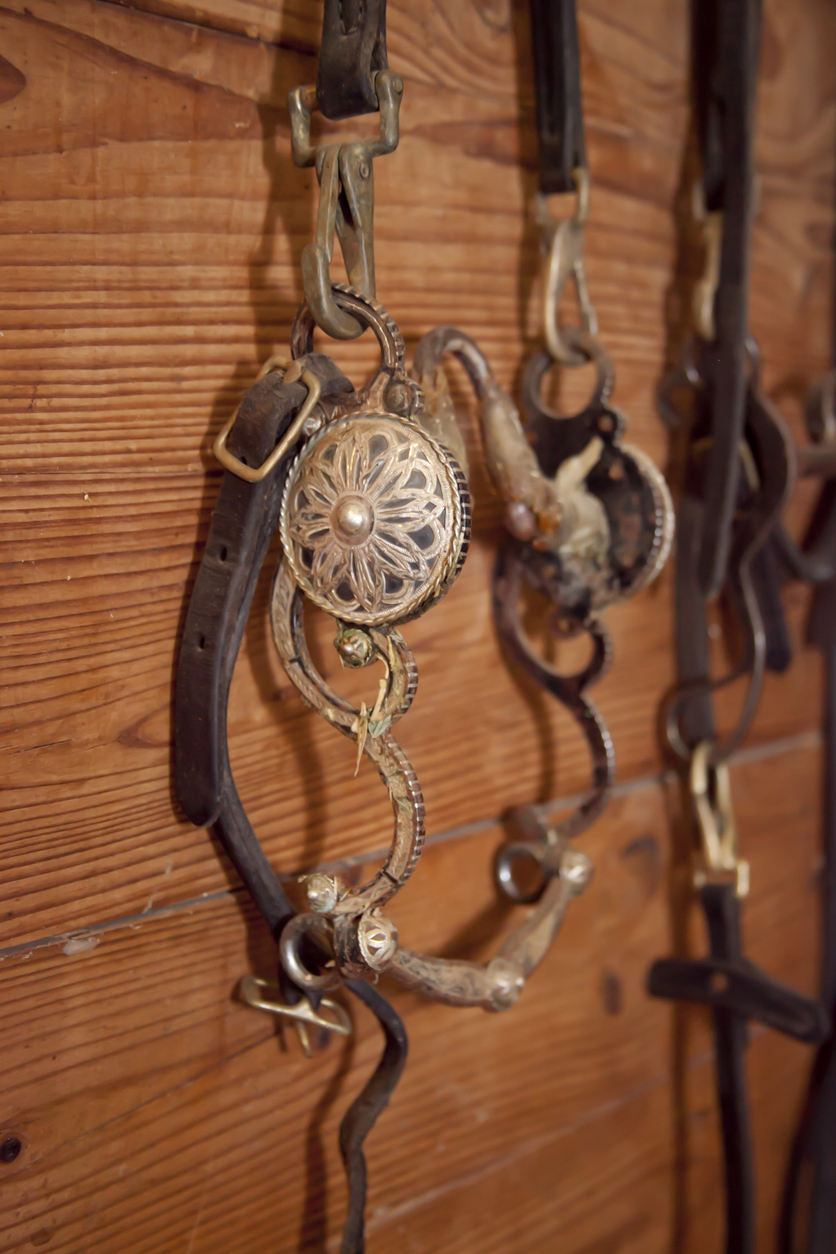
Hackamores offer a bitless way to communicate with your horse using pressure on the nose and chin rather than the mouth. For horses with mouth sensitivity, young horses in training, or riders who prefer nose-based cues, a hackamore can be an effective and comfortable option.
At Saddle Up Colorado, we carry a carefully selected range of western hackamores in multiple styles and configurations. From leverage-based mechanical hackamores to simple side pulls and traditional bosals, you can compare options and choose a hackamore that fits your horse’s needs and your riding style.

Why Riders Choose Saddle Up Colorado
We know what matters when you ride because we ride too.

Knowledgeable Support
Rider feedback on which hackamore style fits your horse's head shape, sensitivity level, and training stage.

Personal Guidance
From green horses to seasoned trail mounts, we help you find a hackamore that matches your horse and your goals.

Tried-and-True
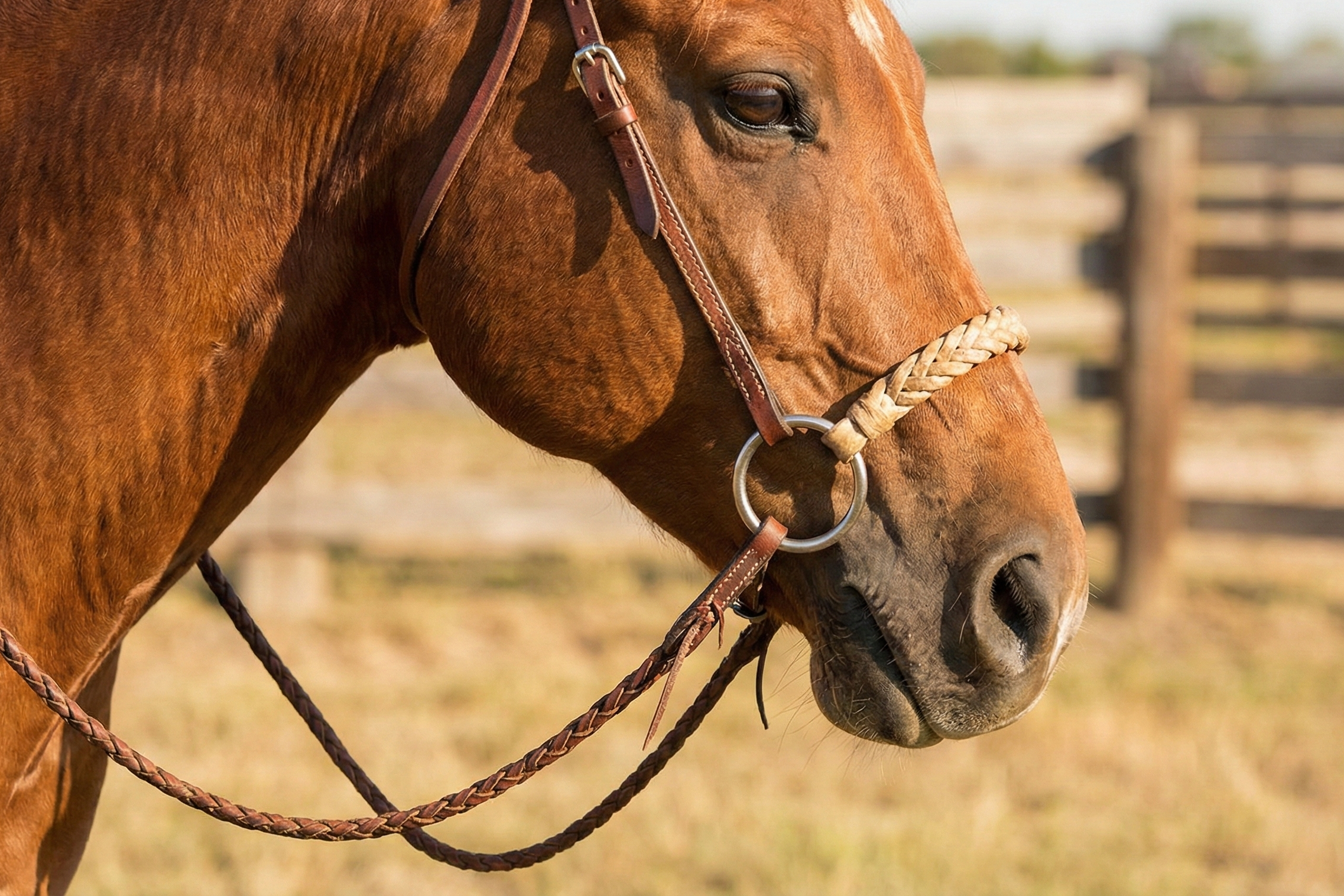
We carry hackamores in different configurations, including mechanical hackamores, side pulls, and traditional bosal designs.

Wide Selection
Choose from different styles, pressure points, and price points across our hackamore selection.


Need Help Finding the Right Fit?
Not sure which hackamore style or level of leverage fits your horse? Our team is here to help. We’ll walk you through your options and help you choose a hackamore that fits your horse’s face, your training approach, and your riding style.

Frequently Asked Questions
What is a hackamore and how does it work?
A hackamore is a bitless bridle that controls the horse using pressure on the nose, chin, and sometimes the sides of the face. Unlike a traditional bit, it does not place pressure in the horse’s mouth.
What is the difference between a mechanical hackamore and a side pull?
A mechanical hackamore uses shanks to create leverage, which amplifies the pressure on the horse's nose and lower jaw when you pull the rein. A side pull applies direct pressure without leverage, making it gentler and often preferred for training horses or working with a young horse. The best option depends on your horse's training level and your riding goals.
Is a hackamore good for a green horse?
Yes. Many riders use a hackamore or side pull bridle when starting a green horse because it avoids pressure on the horse's mouth while the horse is still learning to respond to rein cues. A bosal is another popular choice for training young horses in western disciplines.
Can I use a hackamore for trail riding?
You can use hackamores for trail riding and they can be a popular choice because they allow for comfortable long rides without constant contact in the horse's mouth. However, one needs to be sure you and your horse are both highly trained. A hackamore will give you less control and/or stopping power and this can be a serious concern out on the open trail.
How do I know if a hackamore fits my horse?
When it comes to hackamores, fit really matters. An ill-fitting hackamore can not only cause pain, it can cause damage to the horse's nasal bone. Never place it too low on the soft cartilage or sensitive nerves, the hackamore should also sit properly on the horse's nose without pressing on the horse's face in a way that causes discomfort. A good guide is to have the hackamore lie evenly on the nose between the inside corner of the eye and the nostril, this will put the hackamore slightly above the bridge of the nose thus avoiding the soft, cartilaginous part to prevent pain or injury. Be sure to look at your horse's head shape and sensitivity to help match the right style and size.