
Let's Get Down to Bit'ness: Your Guide to Horse Bits
Posted by Lynnsy Johnson - Saddle Up on Mar 12th 2020
One of the most important pieces of tack that helps you communicate with your horse is a bit. They come in many shapes and sizes, each with different advantages for the horse and rider. Understanding types of bits and their functions will help you choose the right one for your horse, whether you're just starting out or looking for an upgrade.
The Role of Bits in Horseback Riding
Bits allow riders to communicate with their horses through subtle cues by applying pressure to parts of the horse’s mouth, like the tongue, bars, lips, and corners. The type of bit you use determines how pressure is distributed, affecting the level of control and comfort for both you and your horse.
Choosing a bit comes down to comfort, anatomy, and training, and a well-fitted one complements your horse’s temperament and experience level, as well as your skills as a rider – resulting in a more responsive and relaxed partnership.
Direct-Pressure Bits
Direct-pressure bits act immediately when the rider pulls the reins, creating a 1:1 ratio of movement and force. They’re great for young horses or riders developing soft hands.
Snaffle
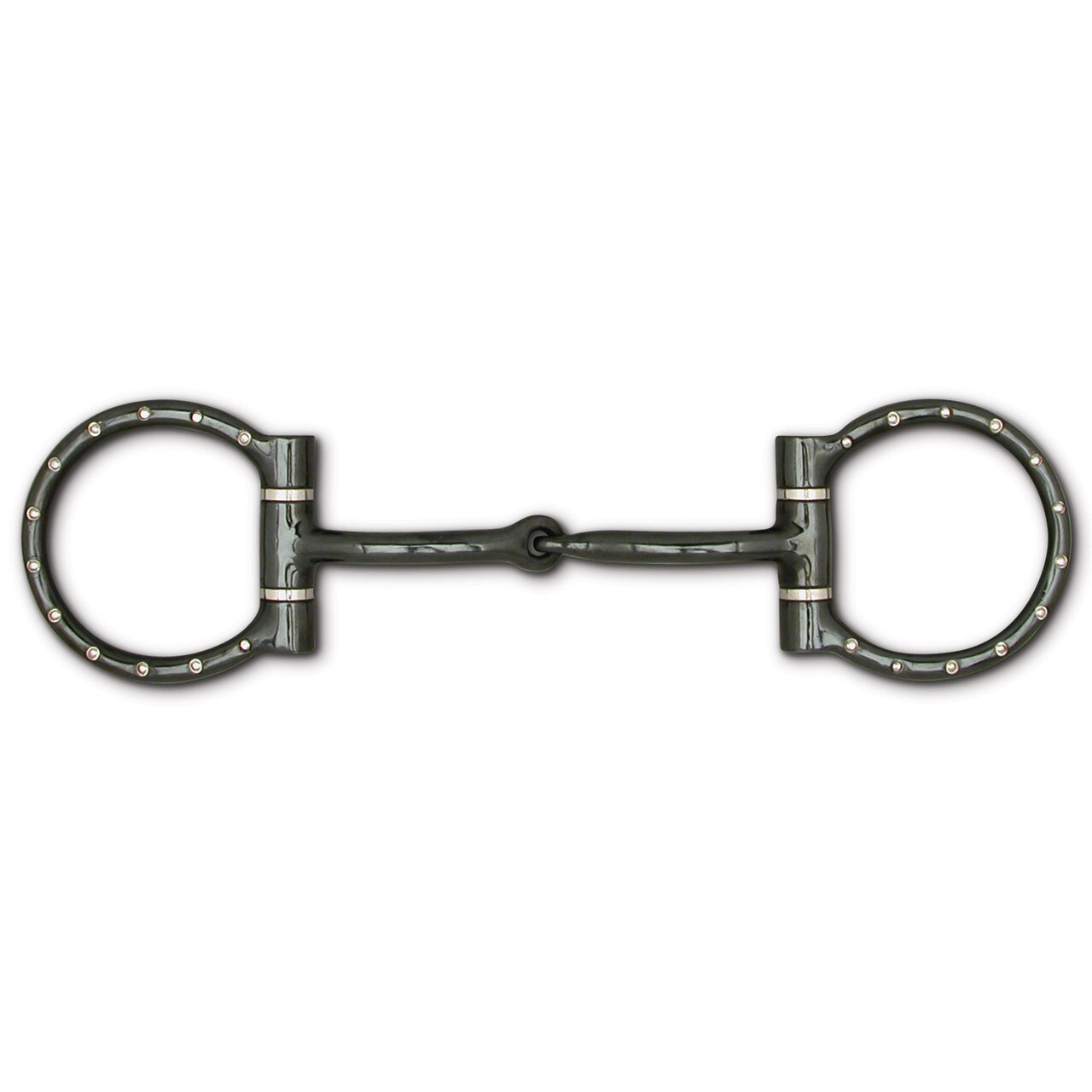
The snaffle bit is the most common among riders. The “snaffle" refers to a jointed mouthpiece. It can have shanks, or rings on each side and works through direct pressure on the tongue, bars, and lips.
- Best for: Young or green horses learning basic cues, or riders working on a soft, responsive feel.
- What to look for: A comfortable mouthpiece width (usually about ¼ inch wider than your horse’s mouth) and smooth ring connections that don’t pinch.
Eggbutt Snaffle
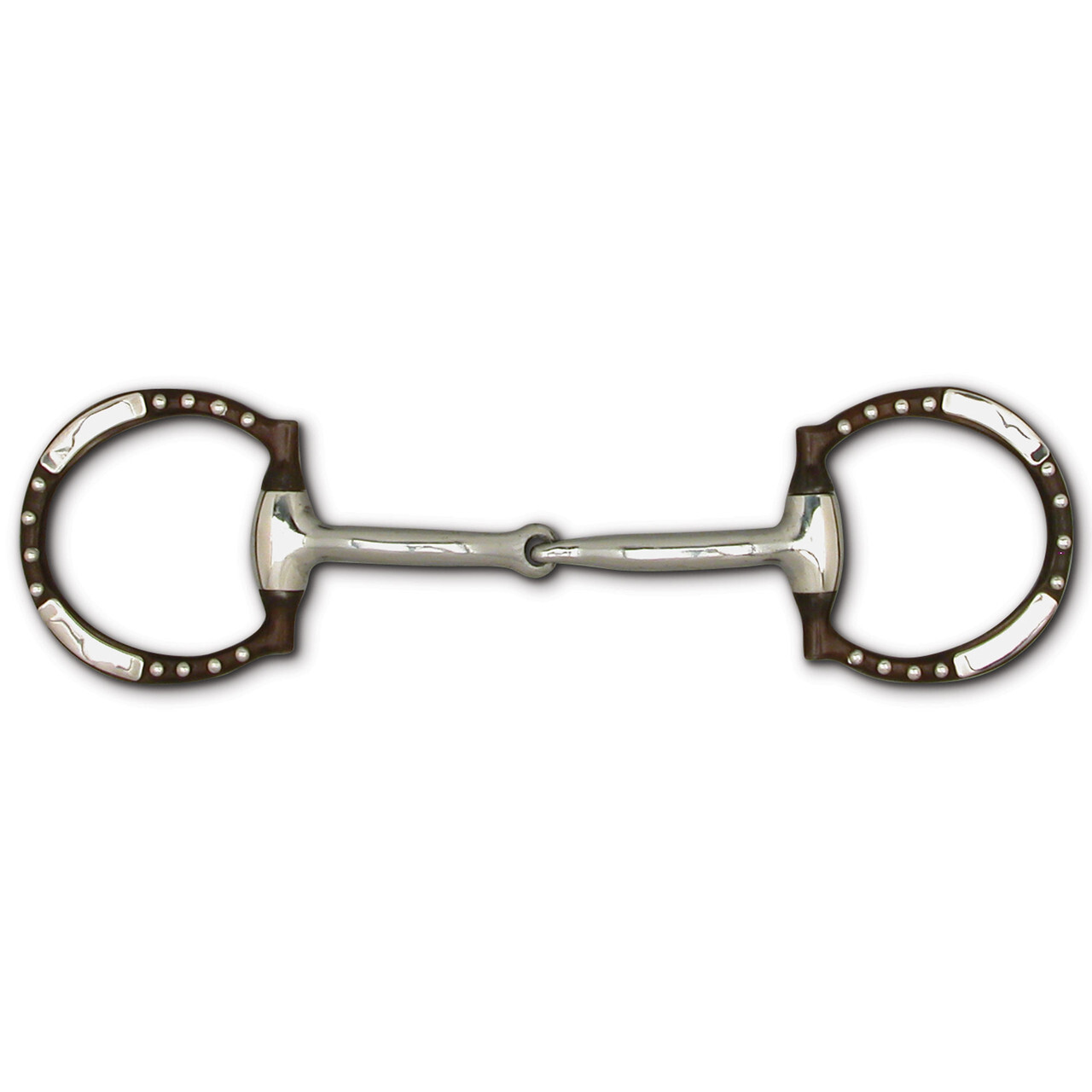
A comfortable and adaptable cheek piece, the eggbutt minimizes pinching by fixing the ring to the mouthpiece. It offers moderate lateral control and stability, making it a great choice for horses that like a steady feel.
- Best for: Sensitive horses or riders looking for consistency and comfort.
- What to look for: Rounded edges on the rings and a balanced mouthpiece that sits quietly in the horse’s mouth.
Dee Ring Snaffle
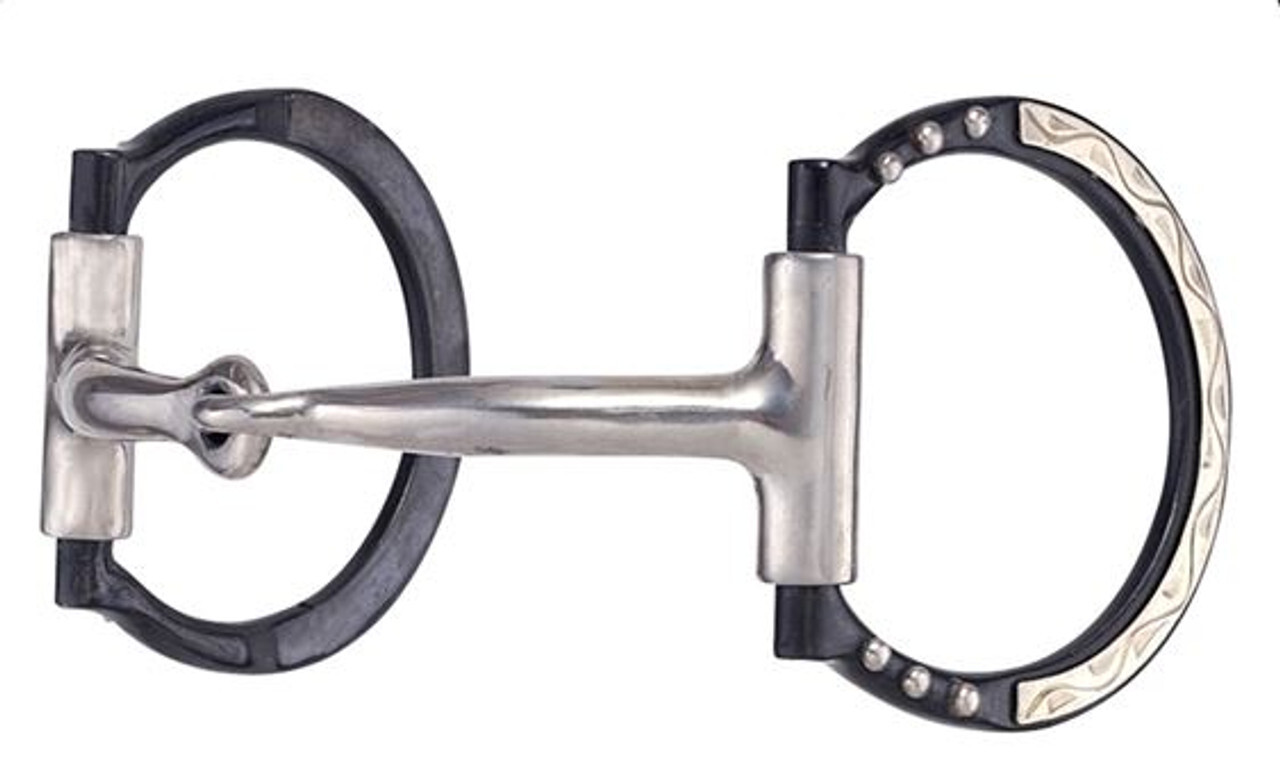
A Dee Ring Snaffle The D-shaped rings keep the bit stable and add a little steering help without excess bulk. It’s great for riders wanting lateral control without pinching. The bit stays in a consistent position, offering a steady feel that some horses prefer for calm, balanced communication.
- Best for: Horses in training or riders refining their cues.
- What to look for: Smooth ring joints and a mouthpiece that sits evenly between the corners of the lips.
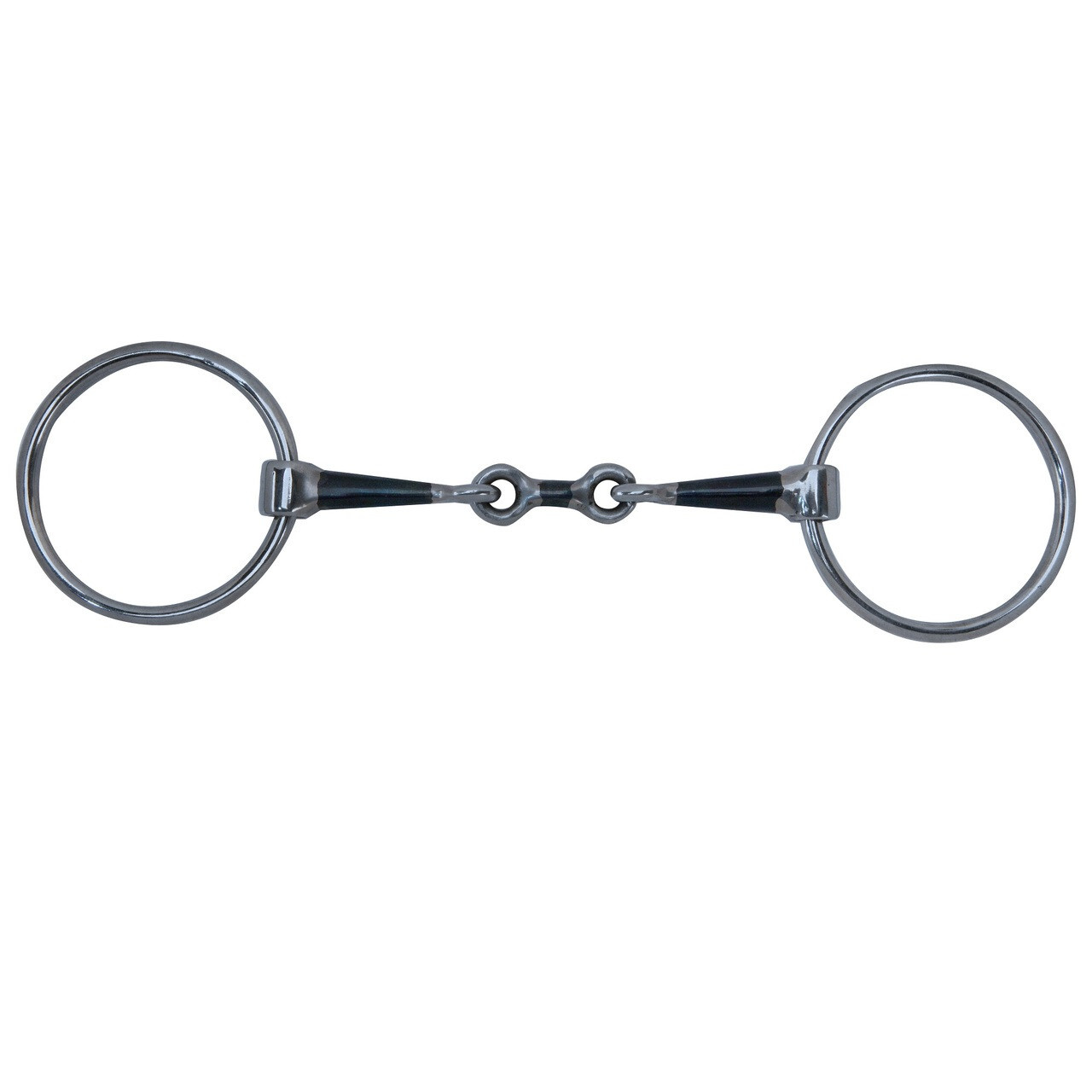
Loose Ring Snaffle
The loose ring snaffle has a ring that rotates freely through the mouthpiece, giving it the most movement of all snaffles and encouraging horses to stay relaxed and responsive. Because the ring moves before the mouthpiece engages, it gives a clear signal before applying pressure.
- Best for: Young horses learning rein cues or horses that need a lighter feel.
- What to look for: Well-fitted bit guards if your horse has sensitive lips, and smooth rotation between ring and mouthpiece.
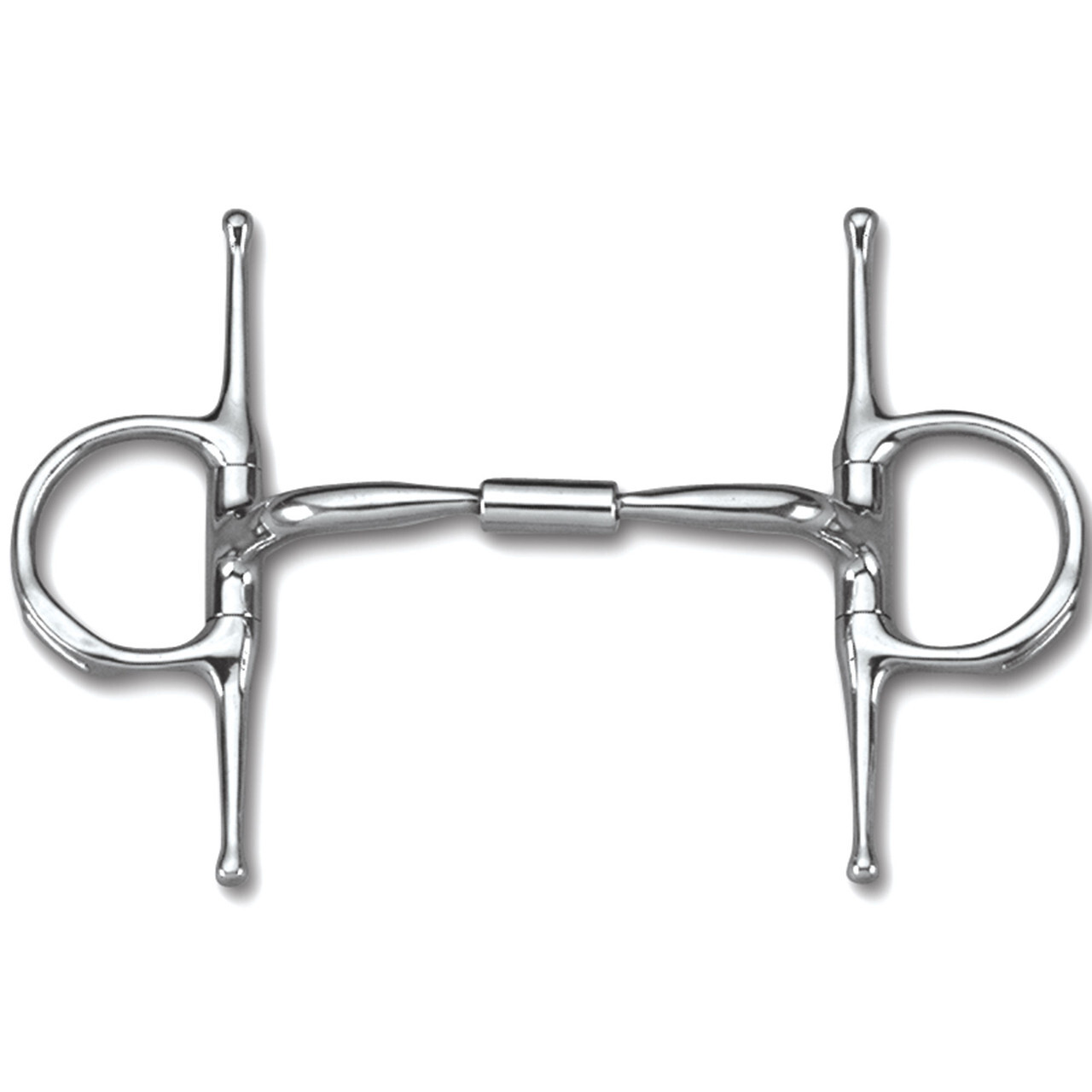
Full Cheek Snaffle
The full cheek snaffle features extended arms on each side of the mouthpiece that prevent the bit from sliding and add steering support. It’s a favorite for early training because it helps guide the horse’s face and encourages correct flexion.
- Best for: Colts or young horses that need clear lateral direction.
- What to look for: Cheek keepers to hold the bit in place and rounded ends to avoid rubbing.
Leverage Bits
Leverage bits use shanks and a curb chain to multiply rein pressure. They act on the poll, chin groove, and bars, giving more refined control for experienced horses and riders. Used properly, these bits can communicate with incredible subtlety – used harshly, they can feel over-powering.
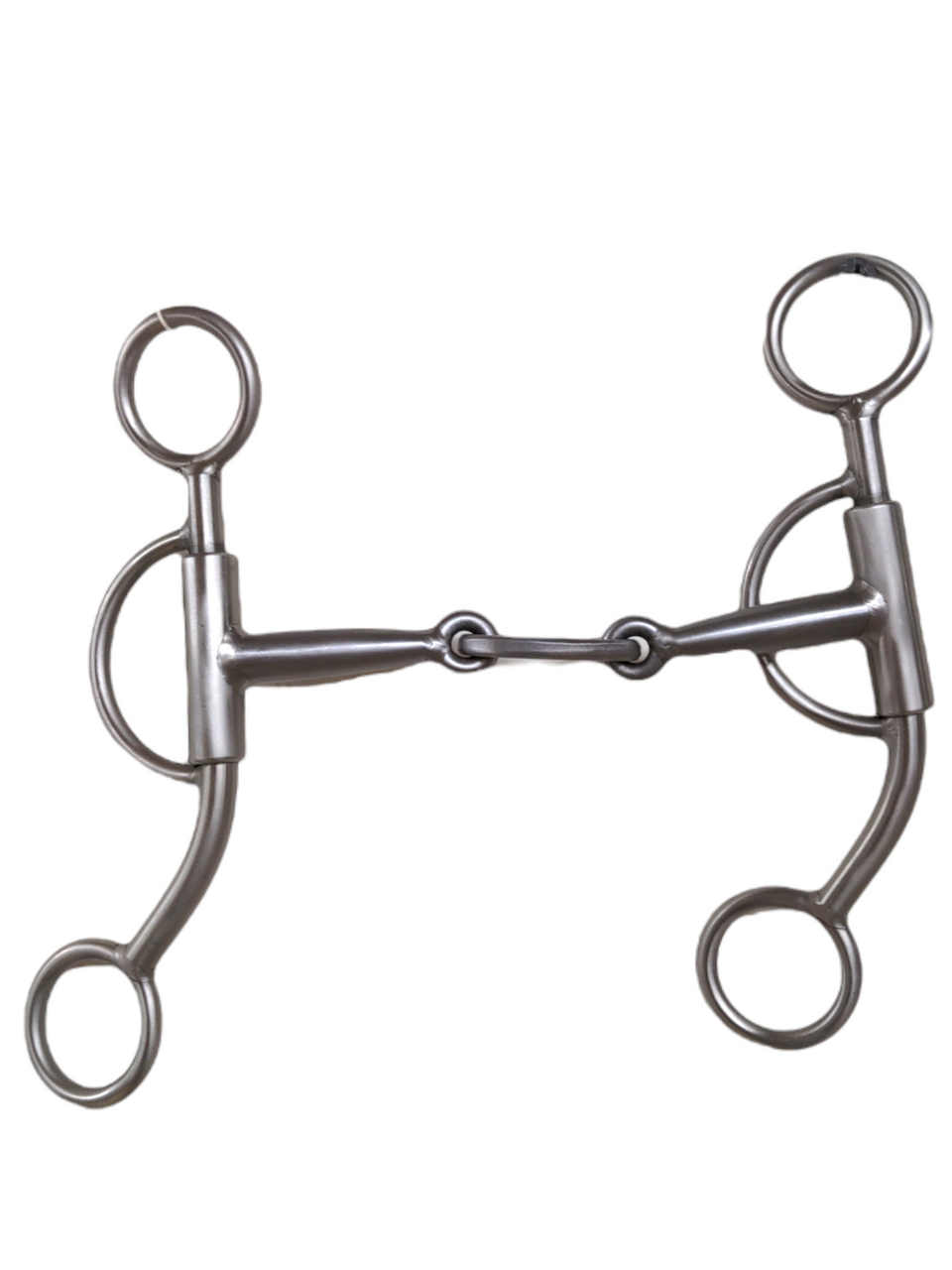
Short Shank Bit
Short-shank bits engage faster but with less overall leverage, making them a good transition from snaffle to curb. They’re responsive without being overly strong.
- Best for: Intermediate riders or young horses learning to carry a curb.
- What to look for: Shank length between 5-6 inches and a curb chain adjusted to engage when the reins reach about a 45° angle.
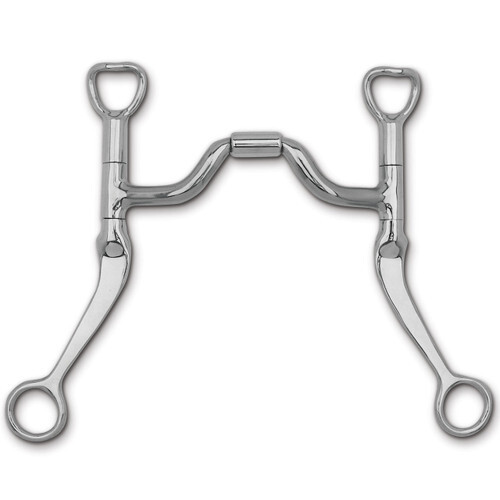
Long Shank Bit
Long shanks create more leverage and require lighter hands. They rotate farther before pressure engages, which gives the horse a “warning” signal before full contact.
- Best for: Finished, well-trained horses and experienced riders.
- What to look for: Smooth, well-balanced shanks that swing freely and a properly fitted curb chain that doesn’t pinch.
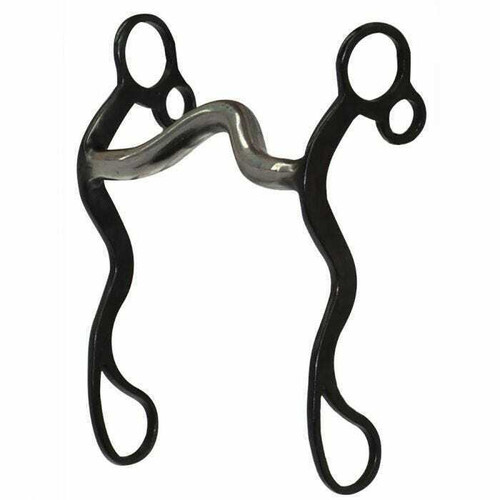
Curb Bit
The curb bit is a classic western design with shanks and a solid or jointed mouthpiece paired with a curb chain. It distributes pressure across the poll, chin, tongue, and bars.
- Best for: Seasoned riders and finished horses that respond to subtle cues.
- What to look for: Clean pivoting shanks, a comfortable mouthpiece width, and a smooth-fitting curb chain that activates evenly.

Correction Bit
Despite its name, a correction bit doesn’t “fix” training issues, it’s meant for fine-tuning communication with experienced horses. The mouthpiece typically has a port with flexible joints that apply pressure to the tongue and bars when engaged.
- Best for: Finished horses, reining, or show work where soft hands and precision are key. A correction bit helps to engage lateral movements.
- What to look for: Smooth port edges, quality material like copper or sweet iron, and shank styles that suit your discipline – plain, antique, or silver show finishes.
Non-Bit Options
Sometimes, less is more. Bitless setups control the horse using pressure on the nose, poll, or chin rather than the mouth. They can be a great choice for horses with dental issues, scar tissue, or riders who prefer a softer feel.
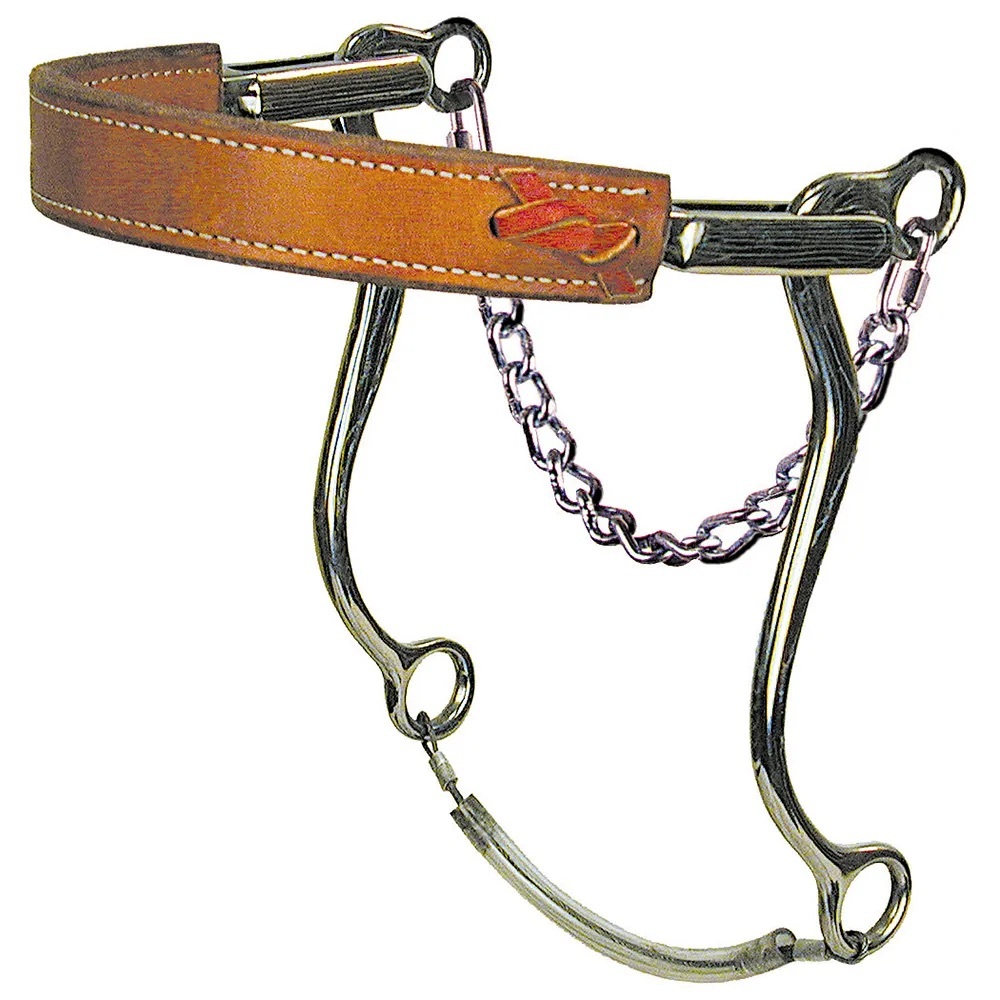
Mechanical Hackamore
This hackamore has a shanked noseband that provides leverage through the nose and chin groove instead of the mouth. It can offer strong stopping power when used correctly.
- Best for: Trail riders or horses that dislike mouth pressure.
- What to look for: A padded noseband, short to moderate shanks, and a properly adjusted curb strap to prevent harsh pressure.
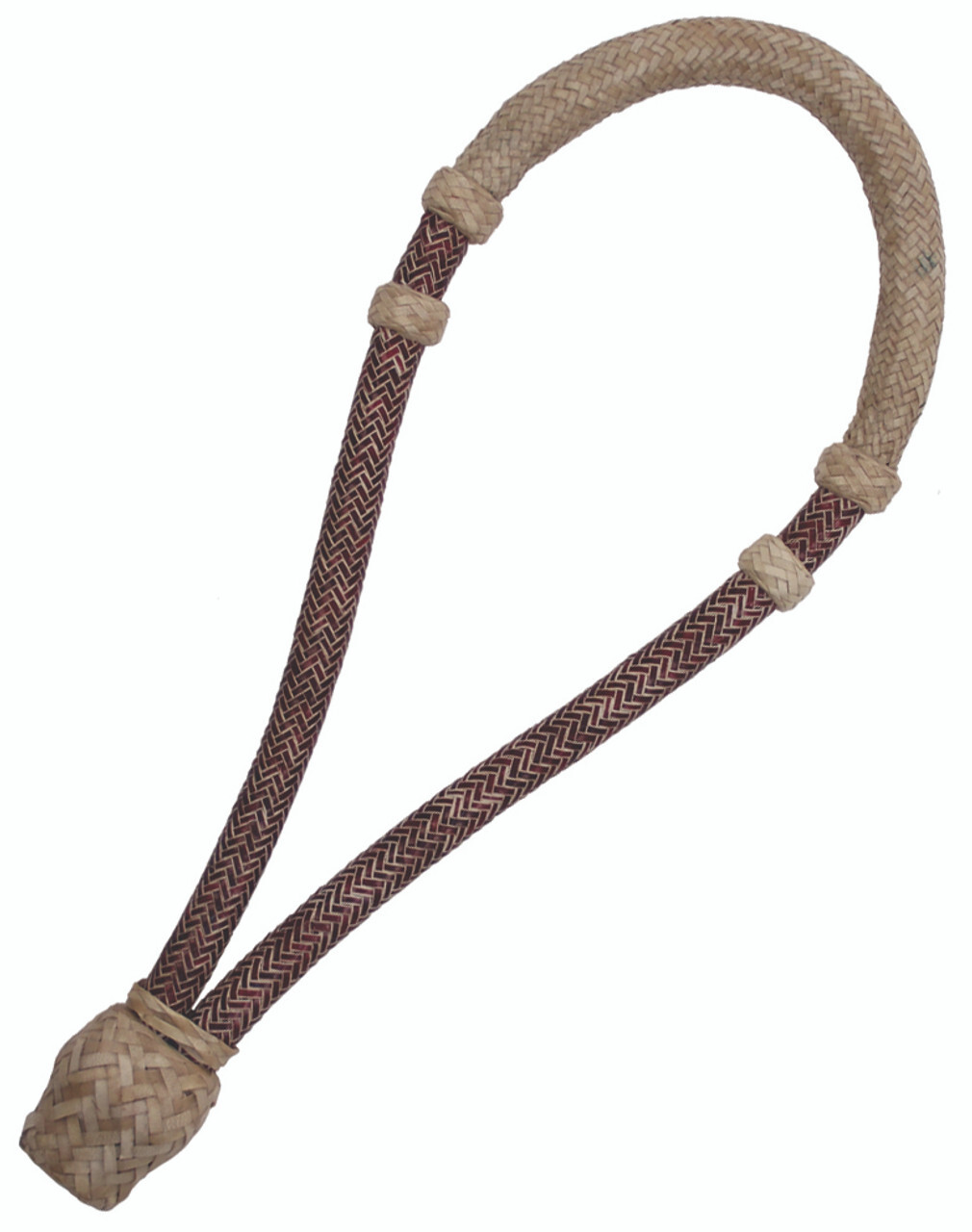
Bosal
The Bosal has a rawhide noseband used with a mecate rein – traditional in vaquero-style training. It teaches softness and collection without mouth pressure.
- Best for: Colts or young horses learning to give to rein pressure.
- What to look for: Proper fit high on the nose and a balanced weight so the bosal hangs straight when reins are relaxed.
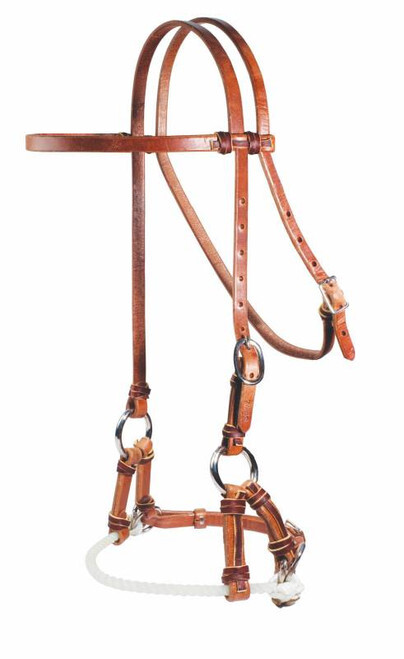
Side Pull
A gentle, direct-pressure bitless option that acts on the sides of the horse’s nose. It offers a feel similar to a snaffle but without a mouthpiece.
- Best for: Sensitive horses or relaxed trail riding.
- What to look for: Soft rope or leather noseband, centered rein rings, and adjustment above soft cartilage.
Materials Used in Bits and Their Impact
Material plays a huge role in how your horse accepts the bit. Some metals encourage salivation and softness, while others offer a neutral feel or more weight for balance.
- Stainless Steel: Long-lasting, rust-resistant, and neutral in taste.
- Sweet Iron: Oxidizes to create a sweet taste that encourages salivation.
- Copper or Copper Inlays: Stimulate saliva and improve acceptance.
- Composite and Rubber Bits: Gentler for sensitive horses but wear faster and may not suit all riders.
- Tungsten Carbide: Less common in western bits; more often used in specialty or performance applications.
Stainless Steel
The stainless steel is durable, easy to clean, and resists rust even with heavy use. It’s a great “neutral” choice that won’t change taste or temperature quickly.
Best for: Everyday riders who want a long-lasting bit that holds up to weather and wear.
|
Pros |
Cons |
|
|
Sweet Iron
Sweet iron is the most popular option in Western bits, the steel is designed to rust slightly, producing a mild, sweet taste that encourages horses to salivate and accept the bit. That surface oxidation can make the mouthpiece feel “warmer” and softer to the horse.
Best for: Horses that need encouragement to chew or stay soft in the mouth.
|
Pros |
Cons |
|
|
Copper or Copper Inlays
Copper warms quickly and promotes salivation, making the bit more inviting. Full copper mouthpieces or copper inlays are often added to steel bits to keep the mouth moist and responsive.
Best for: Sensitive or “dry-mouthed” horses that need encouragement to stay relaxed.
|
Pros |
Cons |
|
|
Composite or Rubber-Covered Bits
These are lightweight and softer than metal, offering a forgiving feel. They’re common for green horses or riders who want a milder mouthpiece.
Best for: Young or sensitive horses, especially during early training.
|
Pros |
Cons |
|
|
Tungsten Carbide and Specialty Metals
While uncommon in traditional western bits, tungsten carbide and other alloys are sometimes used in performance or custom bits for their exceptional strength and polish. They provide a slick surface and long lifespan.
Best for: High-performance or show riders looking for premium durability.
|
Pros |
Cons |
|
|
Every material brings a different experience. If your horse tends to get dry or braces against the bit, try sweet iron or copper. If you need durability and a clean finish, stainless steel is a safe choice. For green or sensitive horses, rubber or composite bits can help build confidence.
When in doubt, let your horse be your guide – comfort always wins over appearance.
Choosing & Caring for Your Bit
- Start simple: Use the mildest bit that achieves clear communication.
- Match to training level: Young horses = snaffles; finished horses = curb or leverage bits.
- Prioritize fit: The mouthpiece should be about ¼ inch wider than the horse’s mouth.
- Check anatomy: Horses with low palates or thick tongues may prefer a ported mouthpiece.
What Makes Them Comfortable?
- Material: Stainless steel is durable, yet sweet iron is both durable and promotes salivation. Copper or titanium mouthpieces can encourage relaxation and reduce sensitivity.
- Mouthpiece design: Jointed, ported, or roller mouthpieces distribute pressure differently and affect tongue relief.
- Shank length and angle: In leverage bits, the longer the shank, the more pressure applied, but also the more “pre-signal” time before the full cue engages. Shorter shanks act more quickly but less subtly.
A comfortable bit should fit snugly at the corners of the mouth without pinching, rest evenly on the bars, and leave the horse able to relax its jaw.
Care Tips
Caring for your bits ensures they stay in good condition and continue to provide the best performance for both you and your horse.
- Inspect for Wear & debris: Check for signs of wear, especially around the joints and mouthpiece. Over time, bits can become worn, affecting their function. Debris can affect a bit's mobility if it’s stuck in the joints or rollers of a mouth piece.
- Storage: Store bits in a dry place to prevent rusting, especially for metal bits like stainless steel and sweet iron.
- Rust: Can be a sign of healthy oxidation and helps to keep the horse's mouth moist. A little rust is a feature, not a flaw—it sweetens the bit, keeps the mouth soft, and improves communication. The trick is knowing the difference between beneficial oxidation (on purpose) and damaging corrosion (from neglect).
Find Your Perfect Bit with Saddle Up Colorado
This is just a small glimpse of all the western bits available today. Finding the perfect fit may take a few tries, but your horse will tell you what works. Look for relaxed chewing, light responses, and a soft jaw as signs you’ve got it right.
At Saddle Up Colorado, we know how hard bit shopping can be. Stop by the shop, give us a call, or check out our YouTube videos to learn more about western bits in action.
Shop our selection of western bits & hackamores – easy ordering, fast shipping, and quality you can trust.